
Breaking Out of the Ordinary: From Cowboy Chords to Full-Fret Creativity
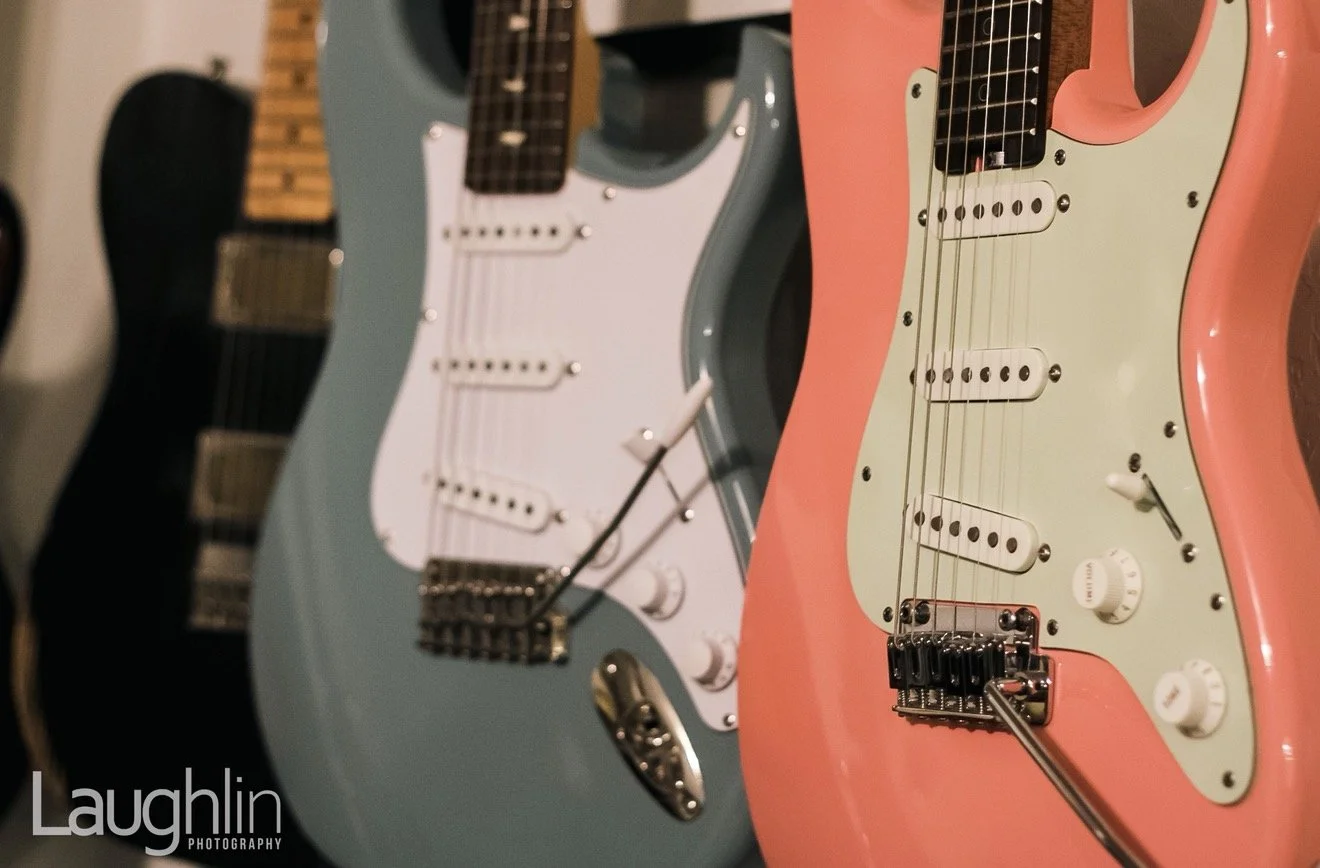
There’s something deeply comforting about the familiar.
As a guitarist, I spent a long time hanging out in cowboy chord territory — the open chords. You know the ones. G, C, D, E minor. Is the song in a non-C or G key? No problem — Hello Capo!
And as a photographer? I lived in aperture priority mode. Letting the camera handle the rest while I focused on composition and vibes. That was my comfort zone. My campfire. My “Wonderwall.”
But at some point — whether in music or photography — you feel this itch to grow.
The Whole Fretboard Is Yours, Baby
I remember the first time I intentionally slid up to the 12th fret and thought, “Oh. This is where the grownups hang out.” Suddenly, new melodies, voicings, and textures started opening up. It wasn’t about abandoning the cowboy chords — it was about adding to the repertoire.
Same thing happened with my camera.
Manual mode used to feel like overkill. “Why would I need all this control when aperture priority does the job just fine?” But then I picked up a flash. Then I started adjusting ISO and shutter speed on the fly. Then I began shaping light, instead of just receiving it.
And that’s when the magic happened. The gear didn’t change — I did.
Growth Is Messy. And That’s Good.
Look, learning to use the full fretboard meant sounding bad for a while. The same goes for manual mode and flash photography. It’s trial. It’s error. It’s overexposed shots. It’s weird shadows. It’s missed moments.
But it’s also the door to creating work that feels more you. More intentional. More elevated.
Growth always feels a little awkward. But once you push through the discomfort, you start seeing the entire instrument — be it six strings or a full-frame sensor — for what it really is: a tool with infinite potential.
Don’t Just Stay Where It’s Safe
Cowboy chords are great. So is aperture priority. They’ll take you a long way.
But don’t stay there forever.
Pick up that flash. Try a new lens. Explore off-camera lighting. Learn how Kelvin works. Embrace settings that scare you. Bomb a few frames. Miss some notes. Let the discomfort shape your new skillset.
Because when you stretch creatively, you grow not just as a photographer or musician — but as a person.
And that’s where the good stuff lives.